- Your cart is empty
- Continue Shopping


Product

DAXOTEL 80MG INJECTION

DAXOTEL 80MG INJECTION
Daxotel 80mg Injection contains Docetaxel, a chemotherapy medication used to treat various cancers, including breast cancer, non-small cell lung cancer, prostate cancer, gastric cancer, and head and neck cancer.
Add to cart
Buy Now
The clinical profile of Docetaxel is best viewed through its combination of mechanism and disease-specific use. Stabilizes microtubules and prevents normal mitotic spindle function. The record places this taxane across breast, prostate, lung, gastric/GEJ, and head-and-neck cancers, illustrating its broad solid-tumor use. Its antitumor activity depends on disrupting microtubule function, a mechanism shared by the class but applied in different disease-specific regimens. It is listed as Chemotherapy; Taxane within the Taxane microtubule stabilizer class. The database associates it with Breast; Prostate; NSCLC; Gastric; Head and Neck and records the following treatment contexts: Breast, prostate, NSCLC, gastric/GEJ, head and neck and other solid tumors. Regimen examples include TCH/TCHP; TC; AC-T; docetaxel + ADT; docetaxel + ramucirumab; other disease-specific regimens. These details are more informative than the drug class alone because they show where the medicine has a defined role and which treatment partners may accompany it. Its clinical role is defined by the disease-specific regimen, treatment intent, and patient-selection criteria associated with the listed indications. The appropriate context can also depend on factors explicitly recorded in the indication, including molecular findings, receptor expression, disease extent, previous treatment, or the patient’s treatment pathway. Related medicines may share a class while differing in target, selectivity, or clinical positioning, so those distinctions should not be overlooked.
Additional Information
| Therapy Category | Chemotherapy, Taxane |
|---|---|
| Protocols/Regimens | Ac-T, Docetaxel + Adt, Docetaxel + Ramucirumab, Other Disease-Specific Regimens, Tc, Tch/Tchp |
| Primary Indications | Breast, Gastric/Gej, Head And Neck And Other Solid Tumors, Nsclc, Prostate |
| Cancer/Tumor Types | Breast, Gastric, Head And Neck, Nsclc, Prostate |
Related products
-57%
-82%

-21%

KEMOCARB 450MG INJECTION
₹2,250.00Current price is: ₹2,250.00. Original price was: ₹2,839.29.

-72%
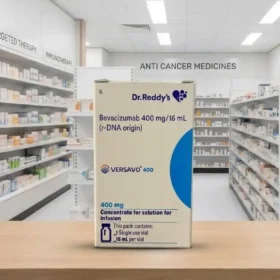
VERSAVO 400mg INJECTION
₹13,905.00Current price is: ₹13,905.00. Original price was: ₹50,004.75.

-67%

Abevmy 100mg INJECTION
₹4,400.00Current price is: ₹4,400.00. Original price was: ₹13,451.00.
-72%