- Your cart is empty
- Continue Shopping


Product

AcaOne 100mg CAPSULE
-48%

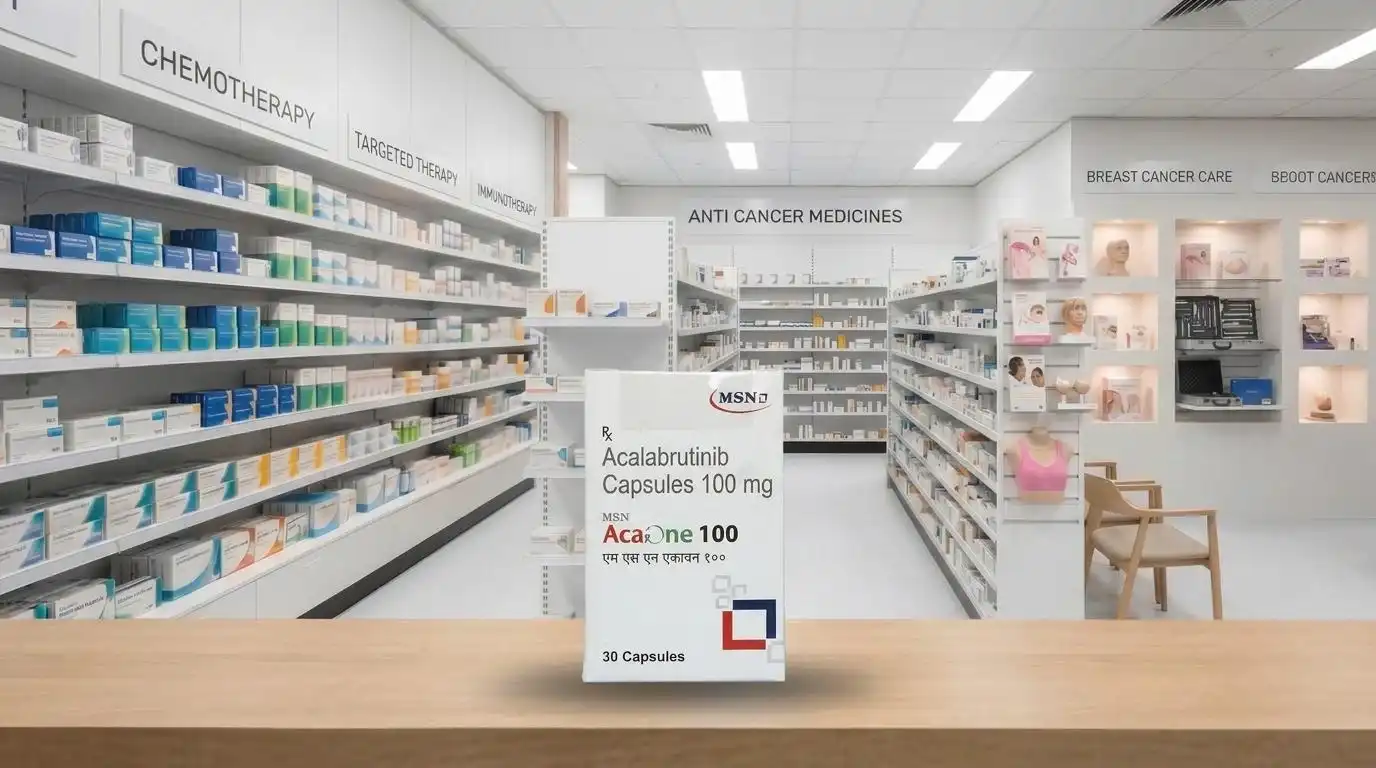
AcaOne 100mg CAPSULE
₹8,400.00Current price is: ₹8,400.00. Original price was: ₹16,031.25.
Acaone 100mg capsule contains Acalabrutinib, it is mainly used for the treatment of blood cancer.
50 in stock
Add to cart
Buy Now
Treatment decisions involving Acalabrutinib are closely tied to the disease settings recorded here: Chronic lymphocytic leukemia (CLL) and small lymphocytic lymphoma (SLL); mantle cell lymphoma in labeled settings. Covalently binds BTK and blocks B-cell receptor signaling, proliferation and survival. The pharmacologic action described for this medicine provides the basis for its use in the malignancies and treatment settings listed in the database. It is categorized as Targeted Therapy; BTK Inhibitor, with CLL; SLL; Mantle Cell Lymphoma listed as the principal tumor types. The regimen field includes Acalabrutinib monotherapy; acalabrutinib + obinutuzumab; acalabrutinib + venetoclax. Those combinations are clinically meaningful because the same medicine can have a different role when paired with endocrine therapy, chemotherapy, another targeted agent, or supportive treatment. Molecular and disease-specific eligibility can therefore be more important than tumor location alone when the treatment is considered. For clinicians reviewing the database, the drug name should therefore be interpreted together with histology, stage, prior therapy, and the relevant biomarker or eligibility requirement. Its pharmacologic class provides useful context, but does not replace disease-specific selection criteria. The wording is intended as a reference synthesis rather than a prescribing protocol and deliberately avoids individualized dose recommendations. Oncology approvals and guideline-supported uses can change over time, so contemporary labeling remains important.
| Therapy Category | Btk Inhibitor, Targeted Therapy |
|---|---|
| Protocols/Regimens | Acalabrutinib + Obinutuzumab, Acalabrutinib + Venetoclax, Acalabrutinib Monotherapy |
| Primary Indications | Chronic Lymphocytic Leukemia (Cll) And Small Lymphocytic Lymphoma (Sll), Mantle Cell Lymphoma In Labeled Settings |
| Cancer/Tumor Types | Cll, Mantle Cell Lymphoma, Sll |
Related products
-71%
ENFIERA 100MG INJECTION
₹2,053.00Current price is: ₹2,053.00. Original price was: ₹7,133.81.
-43%Hot
Acabrunat 100mg CAPSULE
₹8,775.00Current price is: ₹8,775.00. Original price was: ₹15,500.00.

-44%

Acaya 100mg CAPSULE
₹17,800.00Current price is: ₹17,800.00. Original price was: ₹31,934.06.
-51%Hot

BORTENAT 2MG INJECTION
₹1,280.00Current price is: ₹1,280.00. Original price was: ₹2,613.68.
-75%
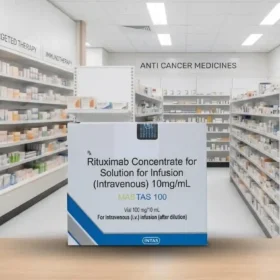
MABTAS 100MG INJECTION
₹2,000.00Current price is: ₹2,000.00. Original price was: ₹7,998.99.
-44%
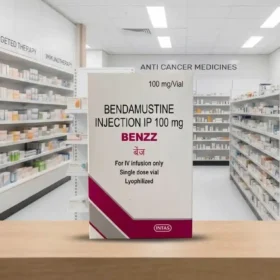
BENZZ 100MG INJECTION
₹2,750.00Current price is: ₹2,750.00. Original price was: ₹4,933.36.