- Your cart is empty
- Continue Shopping


Product

FLUCEL 500mg INJECTION
Hot


FLUCEL 500mg INJECTION
5 Flucel 500mg Injection contains Fluorouracil, an anti-cancer drug. It is a member of the class of drugs called antimetabolites, which prevent cancer cells from growing.
In the supplied oncology record, Fluorouracil (5-FU) is associated with Colorectal; Gastric; Pancreatic; Breast; Head and Neck; Anal, particularly in the settings described as Colorectal, gastric/GEJ, pancreatic, breast, head and neck and anal cancers; many GI malignancies. Its pharmacological class is Fluoropyrimidine. Converted to active metabolites that inhibit thymidylate synthase and disrupt RNA/DNA synthesis. The drug interferes with nucleotide metabolism or related cellular pathways, limiting the ability of actively dividing tumor cells to synthesize or process essential DNA building blocks. The treatment category is recorded as Chemotherapy; Antimetabolite. Regimen examples include FOLFOX; FOLFIRI; FOLFIRINOX; 5-FU/leucovorin; chemoradiation; CMF. Rather than implying one universal use, these combinations show the range of contexts in which the medicine may be incorporated. Its clinical role is defined by the disease-specific regimen, treatment intent, and patient-selection criteria associated with the listed indications. The clinical significance of the drug is best understood through the disease-specific indication: stage, histology, treatment history, and any molecular or receptor requirement may influence eligibility. Where the same agent is listed for more than one cancer, its role should not be assumed to be interchangeable between diseases. This summary is intentionally non-prescriptive and does not include individualized dosing. Current labeling and relevant disease guidance should be reviewed when the database is used for clinical decision support.
| Dimensions | 5 mm |
|---|---|
| Therapy Category | Antimetabolite, Chemotherapy |
| Protocols/Regimens | 5-Fu/Leucovorin, Chemoradiation, Cmf, Folfiri, Folfirinox, Folfox |
| Primary Indications | Breast, Colorectal, Gastric/Gej, Head And Neck And Anal Cancers, Many Gi Malignancies, Pancreatic |
| Cancer/Tumor Types | Anal, Breast, Colorectal, Gastric, Head And Neck, Pancreatic |
Related products
-24%

-88%

TAXOCARE 120MG INJECTION
₹2,600.00Current price is: ₹2,600.00. Original price was: ₹21,617.58.

-19%
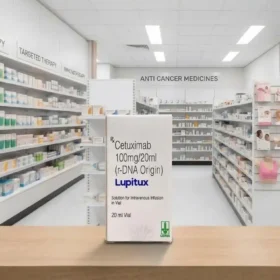
LUPITUX 100MG INJECTION
₹7,600.00Current price is: ₹7,600.00. Original price was: ₹9,365.63.
-84%

-87%

DAXOTEL 120MG INJECTION
₹2,800.00Current price is: ₹2,800.00. Original price was: ₹22,052.81.
-69%Hot

BEVACIREL 100mg INJECTION
₹5,092.50Current price is: ₹5,092.50. Original price was: ₹16,447.02.