- Your cart is empty
- Continue Shopping


Product

REGOLIEVA 40MG TABLET

REGOLIEVA 40MG TABLET
Regolieva 40mg Tablet contains Regorafenib, a multi-kinase inhibitor used in the treatment of certain cancers. It functions by preventing the activity of particular enzymes that contribute to the development and metastasis of cancer.
Add to cart
Buy Now
A useful way to understand Regorafenib is to start with the biology it targets. Inhibits multiple kinases involved in angiogenesis, tumor proliferation and microenvironment signaling. Its activity across vascular and other kinase pathways gives it a broader molecular footprint than a single-target inhibitor, helping explain its use across several tumor types. The database classifies it as Targeted Therapy; Multikinase Inhibitor and associates it with Colorectal; GIST; HCC. Its principal oncology indications are Metastatic colorectal cancer; gastrointestinal stromal tumor after imatinib and sunitinib; hepatocellular carcinoma after sorafenib. Depending on the disease, the agent may appear as a single-agent treatment, a component of combination therapy, or part of a defined treatment sequence. The documented regimen examples are Regorafenib monotherapy. Molecular and disease-specific eligibility can therefore be more important than tumor location alone when the treatment is considered. This distinction matters because treatment selection is not determined simply by the presence of a cancer diagnosis; the tumor subtype, disease stage, previous therapy, and molecular or receptor characteristics can narrow the appropriate setting. The pharmacology helps explain its individual position among related medicines. This description summarizes the supplied clinical information without giving individualized dosing or treatment instructions. Current labeling and the applicable oncology guideline should be consulted when the database is used for clinical reference.
Additional Information
| Therapy Category | Multikinase Inhibitor, Targeted Therapy |
|---|---|
| Protocols/Regimens | Regorafenib Monotherapy |
| Primary Indications | Gastrointestinal Stromal Tumor After Imatinib And Sunitinib, Hepatocellular Carcinoma After Sorafenib, Metastatic Colorectal Cancer |
| Cancer/Tumor Types | Colorectal, Gist, Hcc |
Related products

-50%
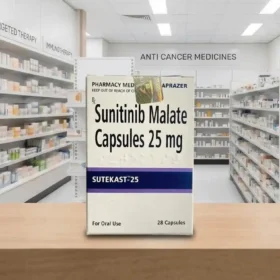
SUTEKAST 25MG CAPSULE
₹1,850.00Current price is: ₹1,850.00. Original price was: ₹3,700.00.
-29%

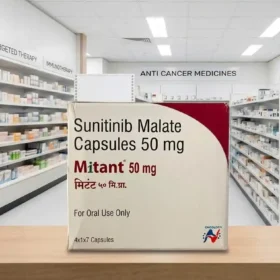
-23%Hot

CETUXA 100MG INJECTION
₹7,200.00Current price is: ₹7,200.00. Original price was: ₹9,365.63.
-40%
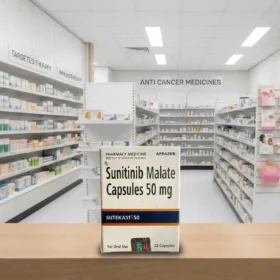
SUTEKAST 50MG CAPSULE
₹4,300.00Current price is: ₹4,300.00. Original price was: ₹7,180.00.

-75%
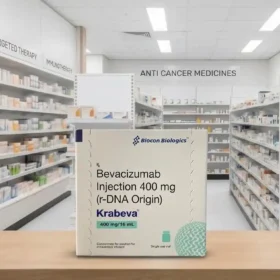
KRABEVA 400mg INJECTION
₹10,800.00Current price is: ₹10,800.00. Original price was: ₹43,212.00.