- Your cart is empty
- Continue Shopping


Product

TEMCAD 100MG CAPSULE
-91%Hot

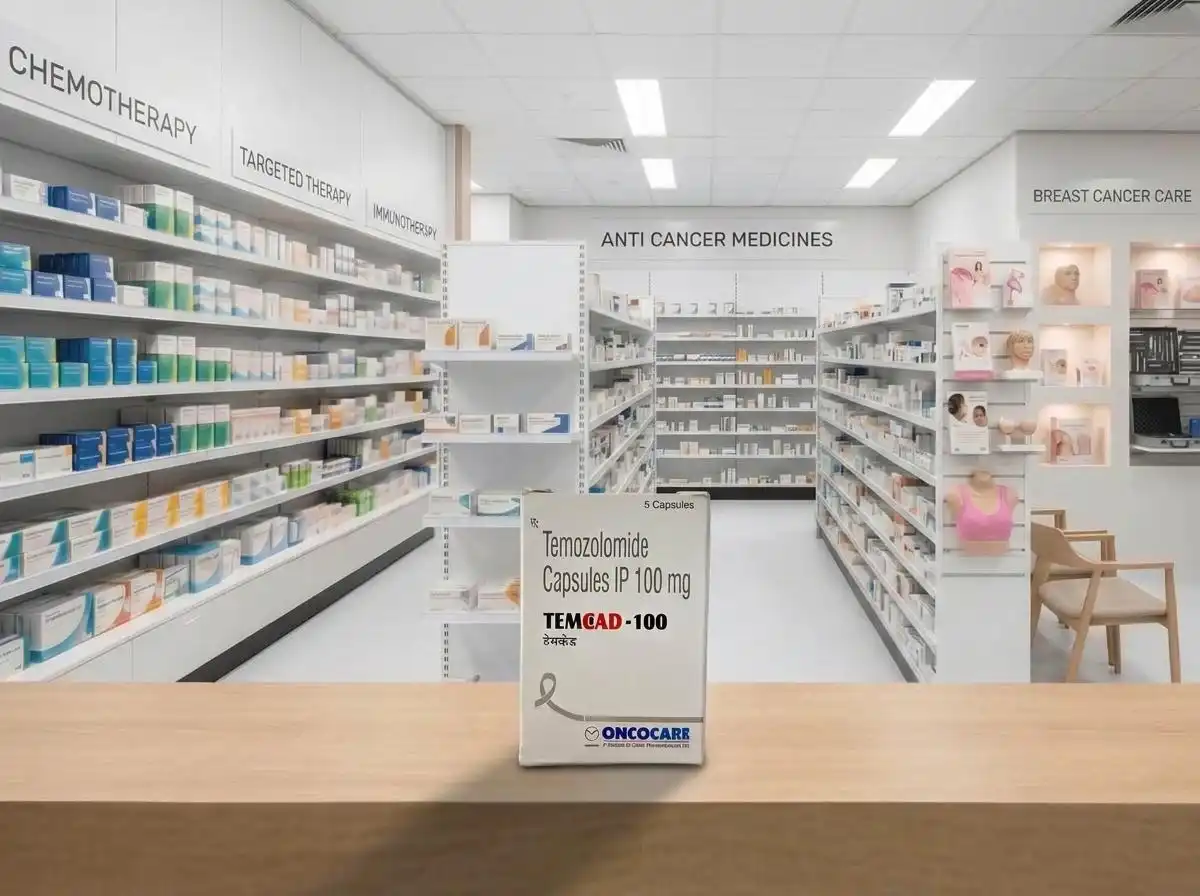
TEMCAD 100MG CAPSULE
₹750.00Current price is: ₹750.00. Original price was: ₹7,920.25.
Temcad 100mg Capsule contains Temozolomide, an oral chemotherapy drug used primarily to treat certain types of brain cancers.
47 in stock
Add to cart
Buy Now
Clinical use of Temozolomide is described in this record across Glioblastoma and anaplastic astrocytoma; selected CNS tumors. The medicine belongs to the oral alkylating agent class and is categorized as Chemotherapy; Alkylating Agent. Methylates DNA, producing cytotoxic lesions that impair replication. The cytotoxic effect arises from damaging tumor-cell DNA, a mechanism that supports use across several malignancies and also contributes to treatment-related toxicity. Glioblastoma; Astrocytoma; Brain Tumors are the associated tumor types listed in the database. Its regimen field includes Stupp regimen (temozolomide + radiotherapy); maintenance temozolomide. The range of combinations reflects disease-specific treatment design: the appropriate partner and treatment position depend on the malignancy and the indication being addressed. Its clinical role is defined by the disease-specific regimen, treatment intent, and patient-selection criteria associated with the listed indications. When a molecular alteration, receptor profile, disease stage, or prior-treatment condition is explicitly included, it should not be separated from the indication itself. Those details help distinguish the medicine’s intended role from broader statements about its drug class. This entry is designed as a professional reference summary and intentionally omits individualized dosing and administration instructions. Regulatory labeling and disease-specific guidelines should be reviewed for current clinical use.
| Therapy Category | Alkylating Agent, Chemotherapy |
|---|---|
| Protocols/Regimens | Maintenance Temozolomide, Stupp Regimen (Temozolomide + Radiotherapy) |
| Primary Indications | Glioblastoma And Anaplastic Astrocytoma, Selected Cns Tumors |
| Cancer/Tumor Types | Astrocytoma, Brain Tumors, Glioblastoma |
Related products
-67%
Abevmy 100mg INJECTION
₹4,400.00Current price is: ₹4,400.00. Original price was: ₹13,451.00.
-75%
KRABEVA 400mg INJECTION
₹10,800.00Current price is: ₹10,800.00. Original price was: ₹43,212.00.
-76%

GLIOZ 100MG CAPSULE
₹1,700.00Current price is: ₹1,700.00. Original price was: ₹7,063.97.
-69%Hot
BEVACIREL 100mg INJECTION
₹5,092.50Current price is: ₹5,092.50. Original price was: ₹16,447.02.
-72%
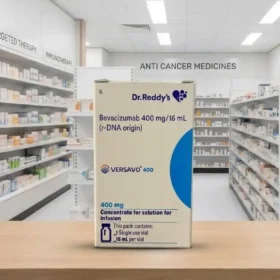
VERSAVO 400mg INJECTION
₹13,905.00Current price is: ₹13,905.00. Original price was: ₹50,004.75.
-61%
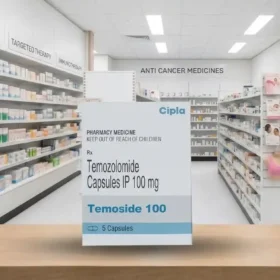
TEMOSIDE 100MG CAPSULE
₹1,350.00Current price is: ₹1,350.00. Original price was: ₹3,434.88.