- Your cart is empty
- Continue Shopping


Product

MABTAS 500MG INJECTION
-82%Hot


MABTAS 500MG INJECTION
₹7,000.00Current price is: ₹7,000.00. Original price was: ₹39,994.96.
Mabtas 500mg Injection contains rituximab, a monoclonal antibody used to treat certain types of cancers and autoimmune diseases.
40 in stock
Add to cart
Buy Now
From a pharmacology standpoint, Rituximab is identified as a cd20 monoclonal antibody. Binds CD20 and causes B-cell depletion through complement and immune-mediated mechanisms. That mechanism helps explain its clinical placement in B-cell non-Hodgkin lymphomas; CLL; selected autoimmune conditions outside oncology. Its antibody-based design gives the treatment a defined molecular target, so the relevant antigen or pathway and disease context guide its use. The database records the medicine as Immunotherapy; Monoclonal Antibody and links it with NHL; CLL. Its listed combinations include R-CHOP; R-CVP; bendamustine + rituximab; maintenance rituximab; Hyper-CVAD variants. In practice, the surrounding regimen matters because the same agent can be used with different partners or at different points in a treatment pathway depending on the malignancy. Selection is generally guided by tumor type, disease setting, prior therapy, and any biomarker or eligibility requirement attached to the relevant indication. Any selection criterion written into the indication?such as receptor status, mutation, disease stage, treatment history, or response to prior therapy?should be treated as part of the use definition. The medicine should also be distinguished from agents with similar class names but different molecular targets or clinical roles. This entry is a professional reference summary, not individualized medical advice or a dosing guide. Current regulatory information and disease-specific guidelines remain the appropriate sources for confirming present-day use.
| Therapy Category | Immunotherapy, Monoclonal Antibody |
|---|---|
| Protocols/Regimens | Bendamustine + Rituximab, Hyper-Cvad Variants, Maintenance Rituximab, R-Chop, R-Cvp |
| Primary Indications | B-Cell Non-Hodgkin Lymphomas, Cll, Selected Autoimmune Conditions Outside Oncology |
| Cancer/Tumor Types | Cll, Nhl |
Related products
-43%Hot
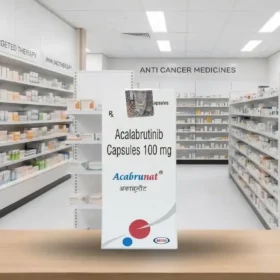
Acabrunat 100mg CAPSULE
₹8,775.00Current price is: ₹8,775.00. Original price was: ₹15,500.00.
-20%
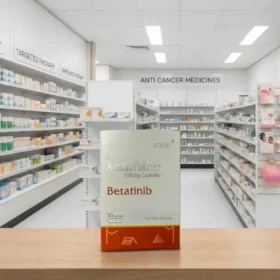
BETATINIB 100mg CAPSULE
₹6,700.00Current price is: ₹6,700.00. Original price was: ₹8,343.75.
-50%

-30%

-44%

BENZZ 100MG INJECTION
₹2,750.00Current price is: ₹2,750.00. Original price was: ₹4,933.36.
-48%

AcaOne 100mg CAPSULE
₹8,400.00Current price is: ₹8,400.00. Original price was: ₹16,031.25.
-71%

ENFIERA 100MG INJECTION
₹2,053.00Current price is: ₹2,053.00. Original price was: ₹7,133.81.
-18%